


Protein for seniors · 5 min read
Protein after 60: 7 ways to make getting enough easier
Estimate your daily protein needs after 60 based on your weight—then discover easy ways to get enough.
Find my daily protein grams
How much protein do seniors need?
For healthy adults 65 and older, geriatric nutrition experts commonly suggest 1.0–1.2g of protein per kilogram of body weight each day—about 0.45–0.55g per pound. Your activity, appetite and health can change that target. Use the slider for a starting estimate. [1, 2]
Rounded to the nearest gram. The meal figure divides the daily estimate by three; it is not a prescribed dose. Kidney disease, illness, unplanned weight loss or a prescribed diet? Ask your clinician or dietitian for a personal target.
These are everyday opportunities to review your routine, not symptoms that diagnose low protein. New weakness, ongoing appetite changes or unplanned weight loss deserve a conversation with your healthcare professional.
7 ways to make daily protein easier

Your appetite is smaller than it used to be
A smaller plate can leave less room for protein. Try including a protein food in the portions you already eat, or add a snack between meals. You still need enough calories and other nutrients—not just protein. [2]
See a small, ready-to-drink option
Breakfast is mostly coffee and toast
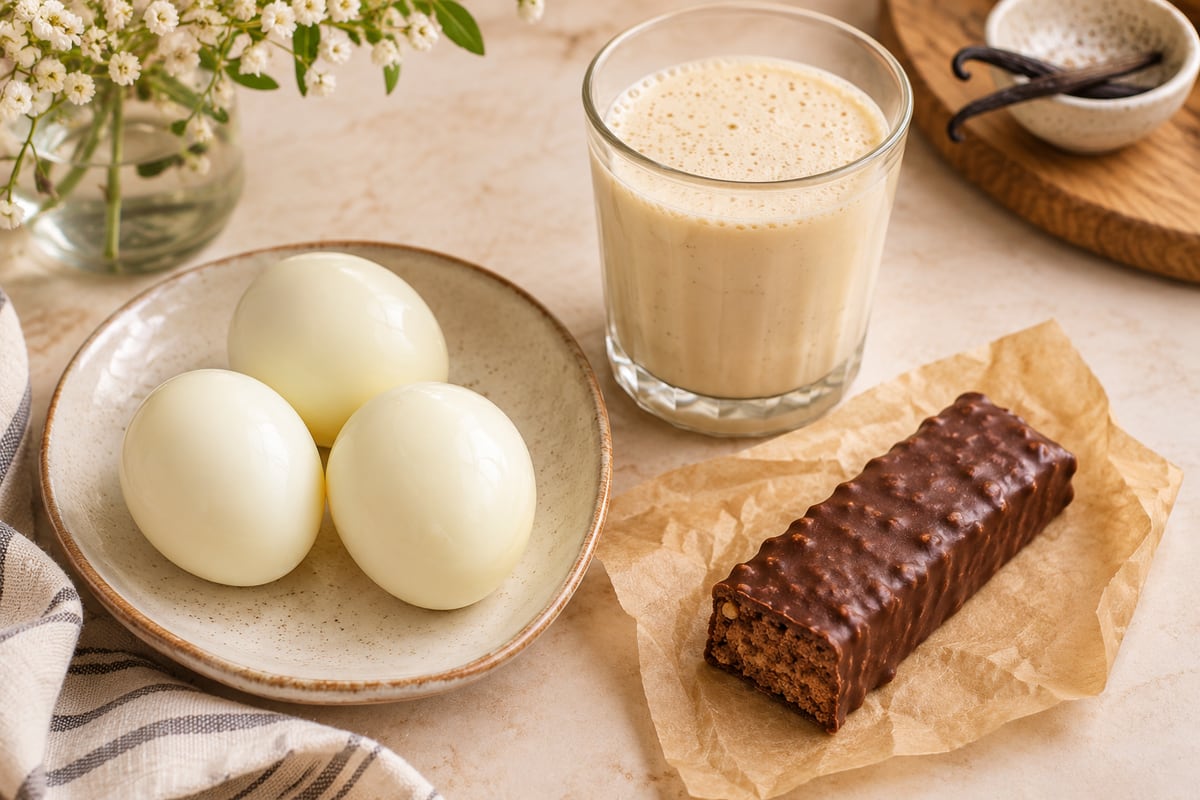
Breakfast is a practical place to start. Add eggs, Greek yogurt, cottage cheese or tofu to what you already enjoy. Check the serving label, then build toward your daily range across breakfast, lunch and dinner.
Make morning protein easierSome protein foods take more chewing or cooking
Protein doesn’t have to mean a large piece of meat. Yogurt, soft eggs, tofu, flaky fish and lentil soup offer different textures and preparation options. If chewing or swallowing is difficult, get advice about the right food and drink texture for you.
Explore easy protein options
You want to stay strong for everyday life
Carrying groceries, climbing stairs and getting up from a chair all call on your muscles. Adequate protein and resistance exercise suited to your ability help support muscle as you age. Make both part of the conversation about your routine. [3]
Understand protein and muscleYou’re unsure what “best protein for seniors” means
Look beyond the biggest number on the package. Consider protein source, the rest of your diet, ease of use and any dietary restrictions. A food you enjoy regularly can be a more practical choice than one that stays in the cupboard.
Why protein quality mattersMore than a gram count
Choose protein with your goal in mind.
For muscle-focused nutrition, include sources of essential amino acids such as dairy, eggs, fish, poultry, soy or a varied mix of plant proteins. Protein foods can also bring nutrients that a small supplement does not.
Easy Protein® provides collagen-based protein in a compact format. Collagen has a different amino acid profile from whey or soy. A trial in older women found a greater muscle-protein-building response to whey than to collagen; these sources should not be treated as interchangeable for that goal. [4]
Use collagen as an addition to a varied diet. It does not replace meals, resistance exercise or a clinical plan for muscle loss.
A full-size shake is more than you want to drink
When you want to add protein in a smaller amount of liquid, Easy Protein® provides 16g of collagen protein in a 1.2 fl oz shot, with 65 calories. Enjoy it alongside your usual meals. If you need extra calories or complete nutrition, a more substantial snack or drink may fit better.
Add 16g in a few sips| Option | Easy way to use it | Keep in mind |
|---|---|---|
| Easy Protein® shot | Tear, sip, done | Collagen-based addition |
| Greek yogurt | Add fruit | Compare serving labels |
| Eggs or tofu | A quick scramble | Enjoy as part of a meal |
| Beans or lentils | Add to soup | A plant protein option |
Different foods serve different needs. A protein shot is an addition to meals, not a meal replacement.
You need a routine that’s easy to keep
Choose one simple place to start: breakfast, an afternoon break, or something you can bring along. For days when convenience helps, Easy Protein® needs no mixing, blender or shaker bottle. Tear open a pouch and enjoy a few fruity sips.
Find your favorite flavor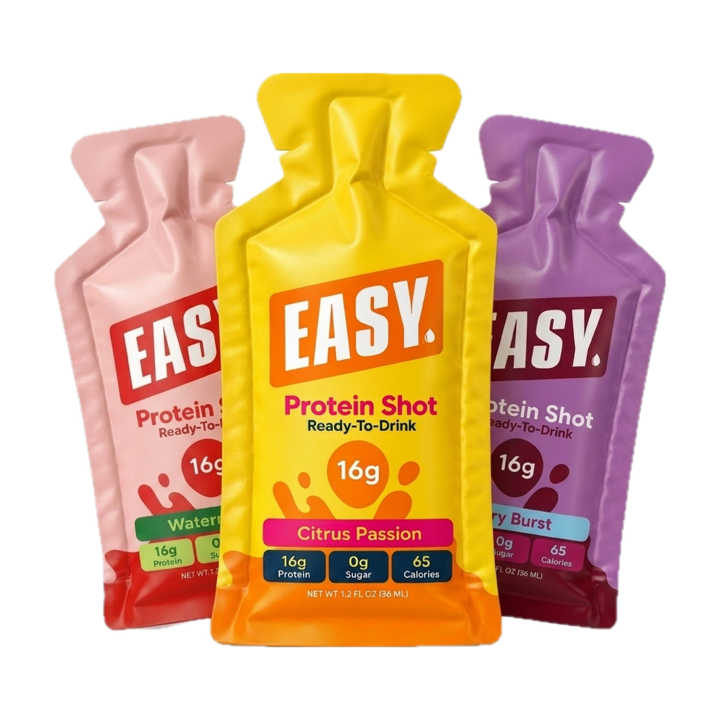
Make daily protein easier
A little more protein. A lot less prep.
16g of collagen protein in a small, ready-to-drink shot. An easy addition to the meals you enjoy.
Berry Burst · Watermelon · Citrus Passion
Up to 23% off your first subscription delivery with 3+ boxes, plus free shipping. See product page for current terms.
Hydrolyzed bovine collagen peptides with added L-tryptophan.
Return to your daily protein estimateQuestions about protein for older adults
How much protein should a 70-year-old eat?
A commonly suggested range for healthy adults 65+ is 1.0–1.2g per kilogram of body weight per day. At 150 lb, that works out to roughly 68–82g. It is a planning estimate, not a personal prescription; health conditions and activity can change your needs. [1, 2]
Does protein intake change after 50 or 60?
There is no single target that changes on your birthday. Body size, activity, health and usual food intake all matter. The calculator on this page uses expert guidance for healthy adults 65 and older. If you are younger, discuss a target that fits your circumstances.
What about sarcopenia and muscle loss?
Sarcopenia involves loss of muscle strength and muscle mass. Nutrition and resistance exercise can be part of a care plan, but a protein shot does not diagnose or treat it. If everyday tasks are getting harder or you notice weakness, ask a healthcare professional for an assessment. [5]
Is collagen the same as whey for maintaining muscle?
No. Their amino acid profiles differ. Easy Protein® uses hydrolyzed bovine collagen peptides with added L-tryptophan. That does not make it equivalent to whey for muscle-building outcomes. Include a variety of protein foods and consider your goal when choosing a supplement. [4]
Can I use this estimate if I have kidney disease?
Use a target from your kidney-care team instead. Protein needs can differ with kidney function and treatment, including dialysis. The general estimate on this page is not designed for kidney disease or another prescribed nutrition plan.